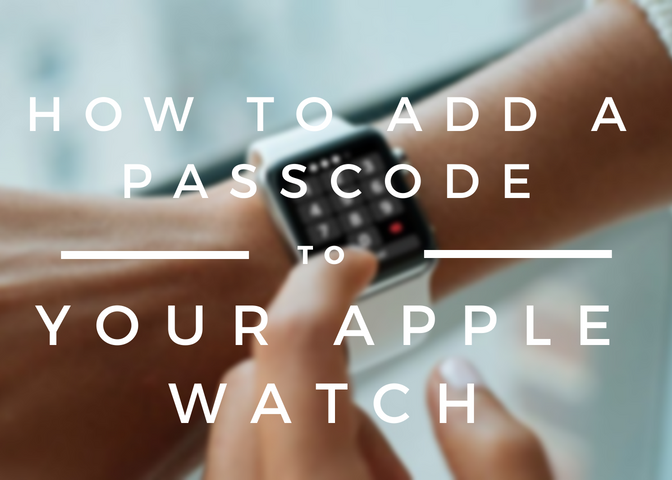
There are several benefits from having a passcode on your Apple Watch, some being the ability to use Apple Pay to make transactions or to use the watch to automatically unlock your Mac. Having a passcode also does not require you to enter it every time you use your watch; you are only prompted for it when the Apple Watch is removed from your wrist or if the watch is restarted. Here’s how to set up your Apple Watch Passcode:
Launch the Settings App
Scroll down and tap Passcode
Tap Turn Passcode On
Enter the four digit passcode you want to use
You can also add a passcode through the Watch app on your iPhone. If you forget your Apple Watch passcode, you need to erase the device and then restore from a backup. This can be done by launching the Watch app on your iPhone. Good luck!
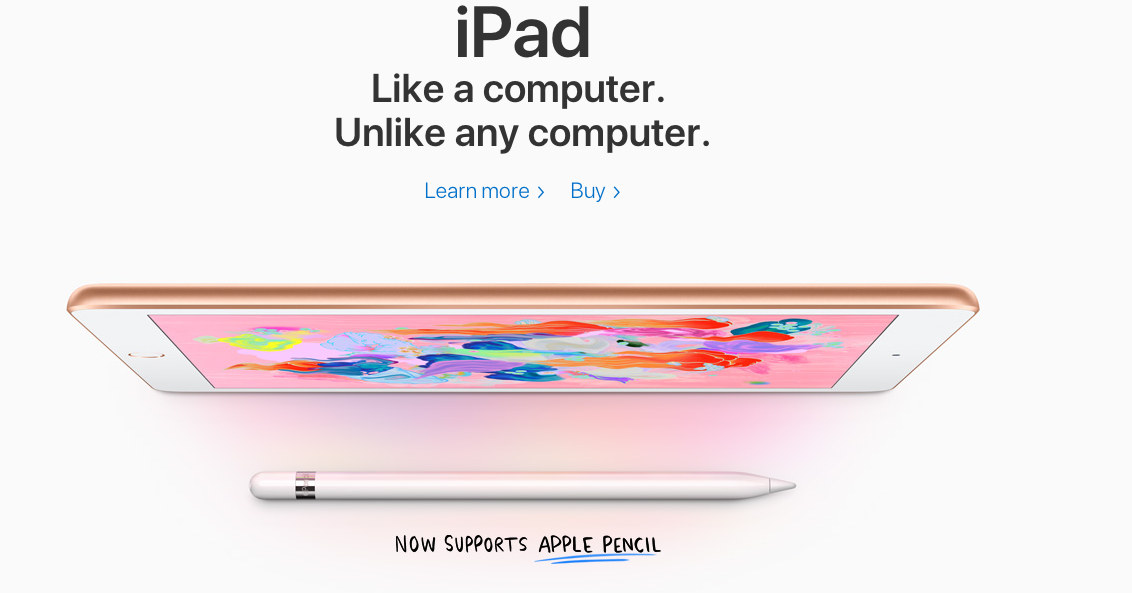
Apple recently sponsored its new iPad at their “field trip” education event in Chicago, Illinois. Apple unveiled a new iPad with Apple Pencil support along with other latest software features. At the event, they promoted the new 9.7 inch iPad. Although it is selling at the typical price of $329 for consumers and $299 for schools, the iPad includes the new Apple pencil support. The iPad is considered to be the first non-Pro model to include the Apple Pencil. Along with the Apple pencil, Logitech released a new Crayon stylus feature for the iPad. They also released a new keyboard case worth $99.
https://www.apple.com/ipad/
Other features for the new iPad include an A10 Fusion chip. Apple claims that this chip will make for a 40 percent faster CPU and a 50 percent faster graphics performance including stereo speakers. Apple also announced that they will incorporate $10 off the new Apple pencil for educators. This benefits the schools that are looking to purchase these Apple Pencils in large quantities. Educators will also receive another discount when purchasing Apple Care+ for their new iPads. The prices for their new iPads will start at $59 which includes two years of coverage.
Apple’s New Software: Schoolwork
Along with the new iPad, Apple took the initiative of announcing the release of a new software at the Chicago education event as well. They promoted their new Schoolwork application which allows to teachers to use the app to input assignments, grades, and more. Apple has ensured that this new app will protect the student’s data. The app will do so by giving only teachers the ability to access information on the Schoolwork app.
Furthermore, The Schoolwork app is a part of a Classkit framework, which includes other apps that with even more features for educators to share with their students. Other apps such as Garageband, Swift, Pages, Numbers, Keynote, and others have all integrated the Apple pencil feature as a way adding more efficiency to today’s education system.
According to DigiTimes , Apple is releasing a new ARM-based Mac product. This new ARM-based Mac product will likely be manufactured by Apple’s long time supplier, Pegatron. This rumor came from a report on project “Kalamata.” “Kalamata” proposes that Apple is expecting to release ARM-based Macs in the future. The new Mac will include the use of a touchscreen, SIM card, GPS, compass, and water resistant feature that differ from the previous Macbook and Macbook Air.
http:/https://www.apple.com/mac/
The rumor, however, fails to comment on the use of the screen size, processor design, format, or keyboard, which implies that the new ARM-based Mac is similar to an IPad. The new Apple product, recently code-named as “Star,” will possibly be the project name under which Apple will release it’s ARM-based product. This ARM-based Mac will likely be similar to an IOS notebook.
Pegatron’s Mac Prototypes
Furthermore, prototypes for the new ARM-based product are underway. They will reveal the use of an Extensible Firmware Interface (EFI), similar to Apple’s Intel-based Macs. This suggests that an IOS ARM-powered Macbook will be Apple’s next move. Although DigiTimes did not release details about Apple’s new project, it is likely that Pegatron will continue manufacturing these products. Pegatron will also ship these products to Apple’s headquarters in Cupertino, California.
http://digitimes.com/pegatron
Rumors about Apple’s ARM-based products, however, started speculating in 2010. Apple made efforts to expand their CPU design group in 2010. Expanding the CPU design group involves poaching and new acquisitions for Apple. Nonetheless, Apple’s efforts to launch new products like the ARM-based product continued until 2017. In 2017, Apple released a report that they were planning to cut back on Intel. Therefore, other reports show a similarity in performance between the MacBook Pro of single-core performance and the multicore performance. However, the multicore performance includes the original 15-inch MacBook Pro with Retina Display.
With new rumors speculating about the release of an ARM-powered Mac manufactured by Pegatron, it should be exciting to see if Apple will be introducing this new product soon.
In honor of Global Accessibility Awareness Day on May 17, Apple is hosting events nationwide to promote inclusive design and to show how beneficial technology can be for people with disabilities. One of these programs include working with blind and deaf communities across the US in order to bring accessible coding to schools. Starting in the fall, schools supporting disabilities will start teaching the Everyone Can Code curricula for Swift, Apple’s powerful new programming language.
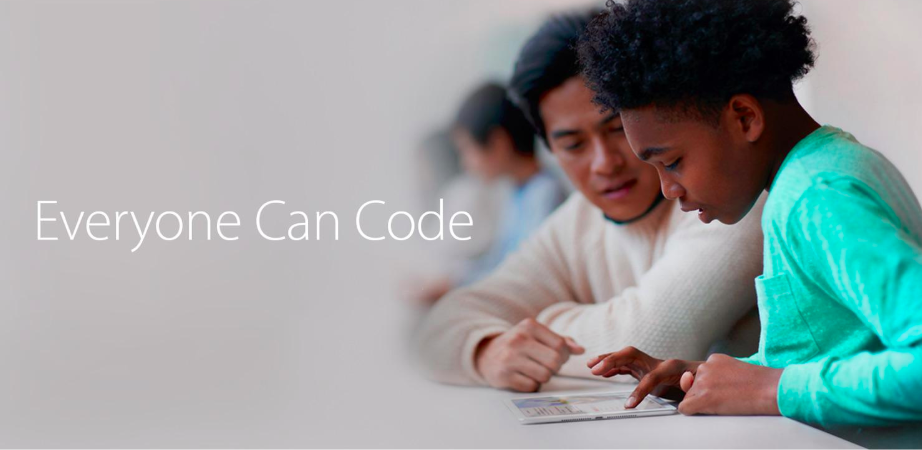
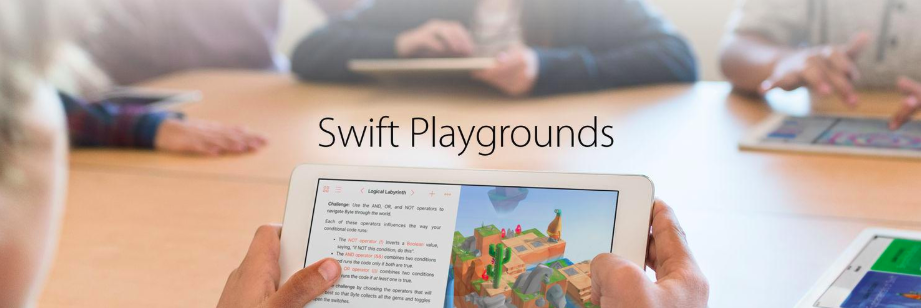
Apple created the Everyone Can Code curriculum so students of all ages could learn and write code using Swift. Teachers could guide young students using iPads with Swift Playground installed, allowing them to use simple code to solve puzzles and control animated characters, whereas older developers could use the same program for app development within iOS.
The Everyone Can Code curriculum is also compatible with VoiceOver, the most advanced screen-reading technology available for people who are blind or low vision. This program describes nearly everything occurring on the screen, and is
the most popular screen-reading technology of any mobile platform. Other accessibility features available to people who are deaf or hard of hearing include Type to Siri, closed captions, LED Flash for Alerts, Mono Audio, and Made for iPhone hearing aids. iPad and Everyone Can Code can also be used by students that have physical motor limitations by using Apple’s Switch Control, which allows devices such as joysticks and switches to control what is on the screen.
Apple’s CEO, Tim Cook, states “Apple’s mission is to make products as accessible as possible. We created Everyone Can Code because we believe all students deserve an opportunity to learn the language of technology. We hope to bring Everyone Can Code to even more schools around the world serving students with disabilities.”
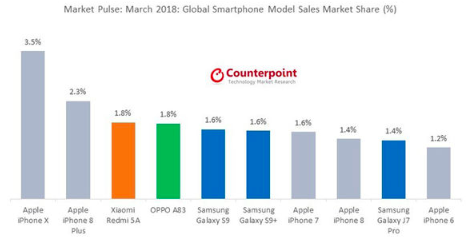
Although it was rumored that the iPhone X would be a flop, the latest sales figures are showing the exact opposite. After industry analysts Counterpoint published research on global smartphone sales for March 2018 it is clear that the iPhone X has topped the list, with Apple’s flagship taking a 3.5% share of the market–well ahead of Android. The next best phone after the iPhone X was also the iPhone 8, with a 2.3% share.
Counterpoint made an official statement on the topic: “Apple’s iPhone X remained the best-selling smartphone in March, dominating the whole first quarter to be the number one smartphone. The sales of the iPhone 8 Plus improved during March, due to a push from Apple making it the second best-selling smartphone globally.”
Apple generated a total of $48.35 billion in profit during its fiscal 2017, and made $13.8 billion during the March 2018 quarter. To put these numbers into perspective: the profit that Apple has made within the first quarter of 2018 is more than Amazon has ever generated since its inception.
Apple’s CEO, Tim Cook, was quick to report that this was their best March quarter ever, with revenue going up in all major operations, including services and wearables. They also grew revenue in all of their geographic segments, with over 20 percent growth in Greater China and Japan.
There are several rumors in the air regarding a new iPhone release later this year, a couple suggesting the iPhone SE being unveiled at its developer’s conference, beginning on June 4 in California. Although most of these products are rumored, it will be exciting to see what Apple has in store for the remainder of 2018.
Although Apple is known to have several cloud scandals in the past regarding sharing data, recently they have been stricter with protecting their consumers. The latest in their efforts to keep data safe is going through applications that share data with third parties. Apple has been removing those applications once they are found to have violations as well as informing developers that the app violates two parts of the App Store Review Guidelines.
Apple also explains that developers must remove any code, frameworks, or SDKs that relate to the violation before the app can be resubmitted to the App Store.
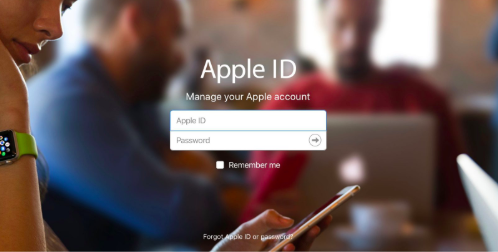
Apple is also bringing refreshed privacy controls for its devices and iCloud services in order to meet the EU’s General Data Protection Regulation (GDPR) laws, going into effect on May 25. The new privacy settings will also include a new web page for managing Apple IDs, with new features and capabilities as well as more transparency. The new site will also let users download a copy of all data stored within the company, along with being able to correct personal information, temporarily deactivate their account, and completely delete it. These new features will soon be available to the rest of the world.
Did you know that you are able to view all of your old Apple downloads, such as books and music, as well as past devices you’ve purchased? What Apple doesn’t do is store your personal information such as emails and locations. Aside from downloads, a log is kept about customer support queries for each time you reach out to ask any questions about your device or other Apple products.
Apple’s privacy response explains why they do not store other personal information here:
“Apple has always placed a priority on protecting our customers’ personal data, and we don’t collect or maintain a mountain of personal details about our customers in the first place. There are certain categories of information which we do not provide to law enforcement or any other group because we choose not to retain it. For example, conversations which take place over iMessage and FaceTime are protected by end-to-end encryption so no one but the sender and receiver can see or read them. Apple cannot decrypt that data. Similarly, we do not store data related to customers’ location, Map searches or Siri requests in any identifiable form.”
Scroll down to the section titled “Access to Personal Information.” It’s worth reading and says explains that Apple will provide you with a copy of the information it holds if you request it.
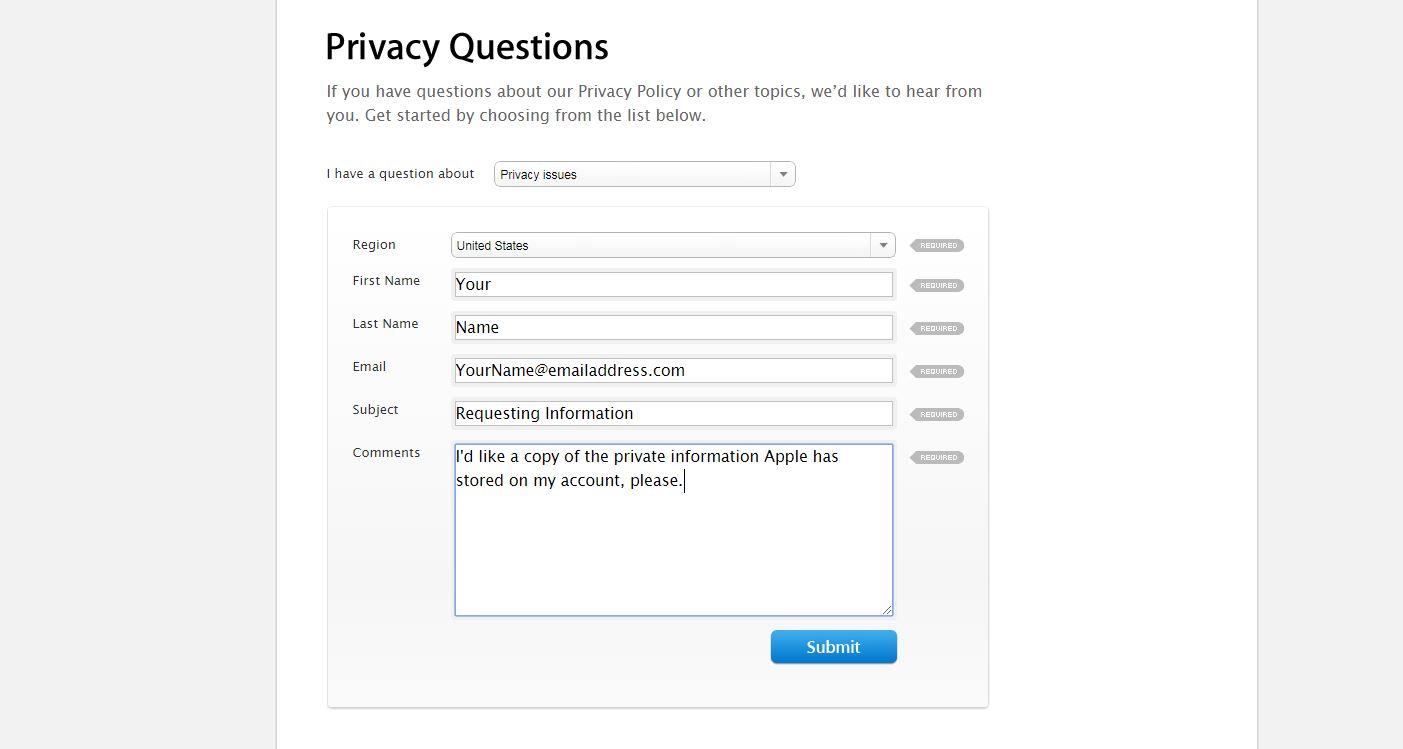
Select “I have a question about privacy issues” from the drop-down box.
Fill in your first and last name, email, subject and comments. I noted that I was requesting a copy of my personal information in the comments field.
Click submit.
After this, you’ll need to wait for Apple’s privacy team to contact you to; they will request some of the same personal information above, in addition to your Apple ID, a registered product serial number and a previous AppleCare support case number in order to verify your identity.
According to EverQuote’s Safe Driving Report, there are about 92% of US drivers that use their phone while driving, while about 88 seconds are spent on mobile devices during an average 21-minute ride.
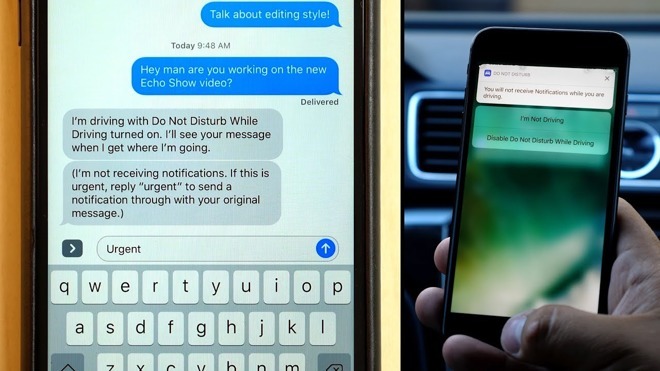
To change this dangerous habit that almost every driver has, Apple created a new “Do Not Disturb While Driving” feature, which had launched with its iOS 11 update in September 2017. From September to October, about 80% of drivers used this feature, although 27% of users disabled it after the initial use. This feature works by blocking all notifications from appearing onscreen while the user is driving, until they reach their destination. This way, drivers are less inclined to look at their phones because they cannot see their notifications.
Due to users taking advantage of this feature, the phone usage while driving decreased about 8%. Although it wasn’t a significant decrease, the iPhone feature is helping drivers stop their bad habits of checking their texts, email and social media, which decreases the number accidents caused by phone usage while driving.
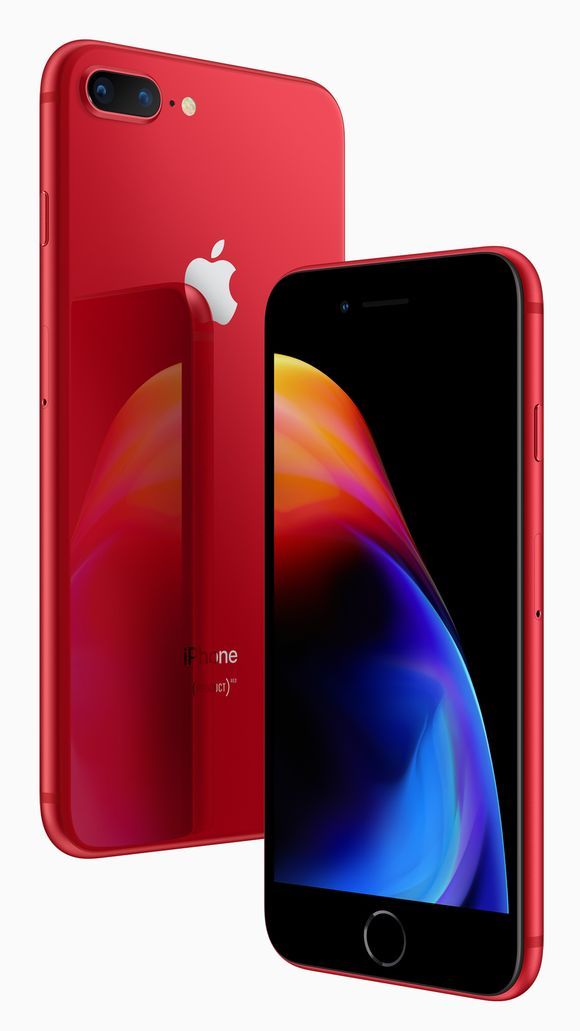
Beginning April 10th, customers will be able to pre-order the newest addition to the iPhone family, the red iPhone 8 and 8 Plus; the phone will be available in stores on April 13th. Aside from the new devices, Apple will also be releasing new accessories as part of the (PRODUCT)RED line, including a red iPhone X Leather Folio. Although not stated an exact amount, a portion of proceeds for all (PRODUCT)RED purchases will go directly to Global Fund HIV/AIDS grants that provide testing, counseling, treatment and prevention programs. According to Apple.com, Apple has donated more than $160 million to the Global Fund since their initial partnering with (RED) in 2006.
Apple’s vice president of Product Marketing Greg Joswiak commented on the new line, “This special edition (PRODUCT)RED iPhone features a stunning red and black color combination and also offers customers the opportunity to make an impact in fighting the spread of HIV and AIDS. iPhone 8 and iPhone 8 Plus improve on everything we love about iPhone, including Retina HD displays that are more beautiful than ever, the most powerful and smartest chip ever in a smartphone with the A11 Bionic and more advanced cameras for unbelievable photos and videos. We are proud to support (RED) with this bold new iPhone and hope customers think it is as special as we do.”
As far as pricing, the red iPhone 8 and 8 Plus range from $699 to $949, depending on model and storage; these are the same prices Apple charges for their iPhone 8 and 8 Plus in other colors.
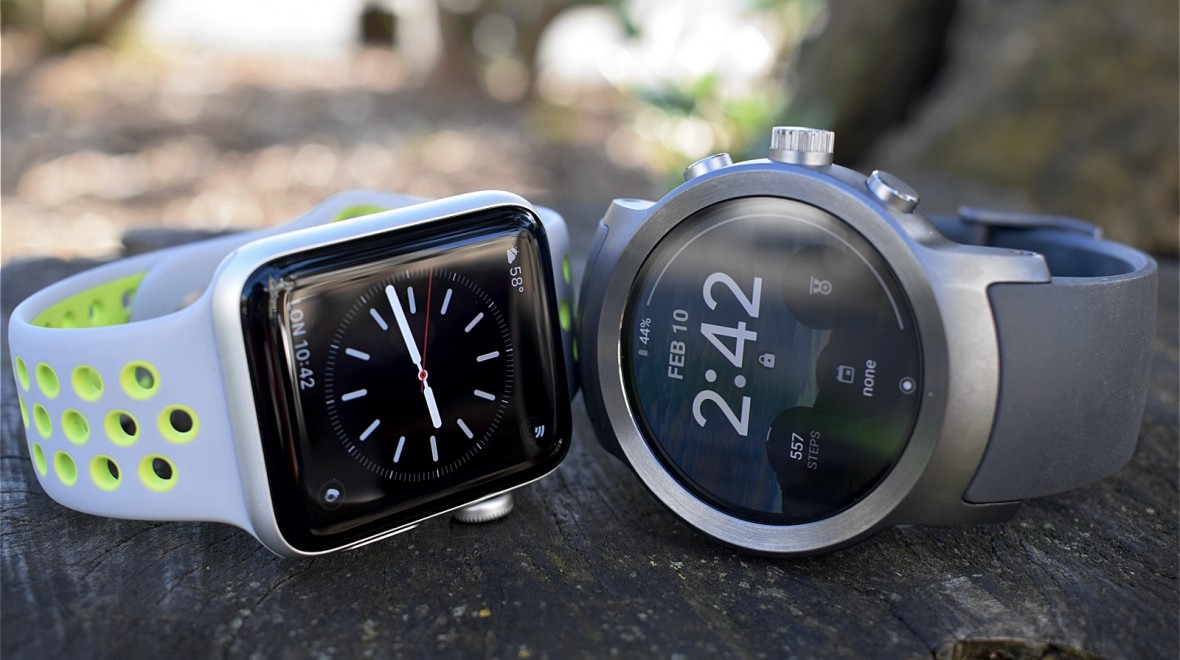
Wear OS, originally known as Android Wear, may be winning the battle of the smartwatch over Apple. Here are some differences between the two that can help you decide on which smartwatch to purchase:
Compatibility – With the Apple Watch, only iPhone users are able to sport this smartwatch. Comparing it to a Wear OS watch, such as a Fossil Q smartwatch, both Android and iPhone users are able to connect their phones. This means no having to switch to an iPhone if you love your Android and want a smartwatch!
Design – The Apple Watch’s design is consistent through each of their models, with a choice of a 38 mm or 42 mm case and different interchangeable straps. The main criticism of the Apple Watch’s design is that it is square, although some people don’t mind it. As far as a Wear OS watch, you’ll have the option to choose if you prefer either a circular or square case, although a majority of them now are circular. For band options, Apple Watch straps are sometimes more difficult to find than Wear OS bands; many watches will fit with any band of a certain width.
Screen and battery life – Because designers have learned not everyone has the same size wrist, there are more screen size options when it comes to the Wear OS smartwatches, even from the same watch company. The Apple Watch, however, as mentioned above, is only available in a 38 mm and a 42 mm case, which still may be too big or too small for some wrist sizes. As far as battery life, both will have an expected one or two days, depending on usage.
Tracking – With features such as Medical ID and ResearchKit, GPS and waterproofing, the Apple Watch is heavily pitched as a fitness device. Aside from Apple’s own tracking apps, users have the option download third-party running apps, such as Strava and Runkeeper. As far as Wear OS devices, users are able to track their fitness and sleep, however, heart rate monitoring is still in the works for many companies who carry Wear OS watches.
These are just some of the comparisons for the Apple Watch and Wear OS devices, but always do your own research before jumping into buying your new smartwatch so you get the watch that suits you best!
If you or someone you know is not satisfied with their Apple Watch and is looking to sell it, call us at 212.840.0415 or visit http://www.sellmymac.com/sell.